
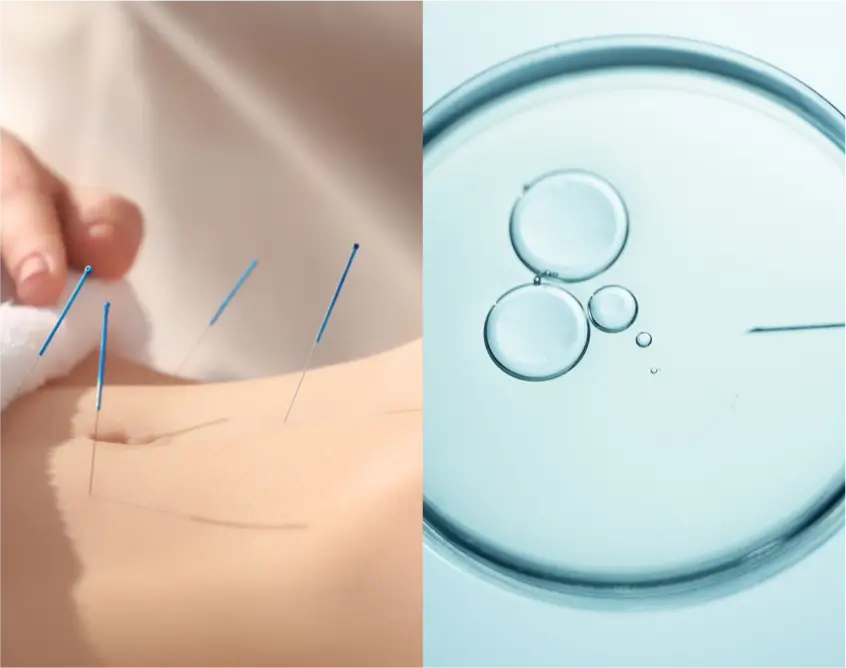
Acupuncture vs. Western Fertility Treatments: Can They Work Together?
For couples trying to conceive, the journey can sometimes feel overwhelming. With numerous options available, from medical interventions to alternative therapies, deciding the right path can be challenging.
Two of the most discussed approaches are western fertility treatments and acupuncture for fertility. While they may seem worlds apart, many couples are discovering that these methods can complement each other effectively.
In this blog post, we explore what each approach entails, their key differences, and how they might work together to support conception.
This article is meant to provide general information regarding these topics and is not meant to be taken as medical advice. If you’re considering the treatments mentioned in this post, please consult a health professional.
What Is Acupuncture for Fertility?

Fertility acupuncture is a cornerstone of Traditional Chinese Medicine (TCM) and alternative medicine. It has been used for centuries to support reproductive health. Unlike Western medicine, which often targets specific physiological issues, acupuncture focuses on restoring balance within the body.
During a fertility acupuncture session, fine needles are gently inserted into specific points on the body. These points are believed to stimulate energy flow, known as Qi, while improving blood circulation to the reproductive organs. Better blood flow can enhance ovarian function, uterine lining development, and overall reproductive health.
Another significant benefit of Chinese medicine fertility practices is stress reduction. Trying to conceive can be emotionally taxing, and stress can negatively affect fertility. Acupuncture promotes relaxation, helping to lower cortisol levels and support hormonal balance.
Some women also seek pregnancy acupuncture to prepare their bodies for conception or to enhance the chances of a successful pregnancy during fertility treatments. While acupuncture is not a guaranteed solution for infertility, many couples report feeling more in tune with their bodies and more optimistic about their fertility journey after regular sessions at a reputable acupuncture clinic.
Overview of Western Fertility Treatments

On the other side of the spectrum are western fertility treatments, which are often the first line of intervention for couples facing infertility. These approaches are highly clinical and evidence-based, designed to address specific physiological problems.
Some common western fertility treatments include:
- In Vitro Fertilisation (IVF): Eggs are retrieved from the ovaries, fertilised in a lab, and then transferred to the uterus.
- Intrauterine Insemination (IUI): Sperm is directly inserted into the uterus to increase the likelihood of fertilisation.
- Hormone Therapy: Medications are used to stimulate ovulation or regulate hormonal imbalances.
- Fertility Medications: Drugs like Clomid or gonadotropins support ovulation or egg production.
These treatments focus on the physical aspects of fertility, often providing a solution for medical conditions such as blocked fallopian tubes, low sperm count, or hormonal disorders. Couples often work closely with a fertility specialist to determine the most appropriate treatment plan for their unique needs.
Key Differences Between Acupuncture and Western Fertility Treatments
The most noticeable difference between these approaches lies in their philosophy and method of treatment.
- Holistic vs. Clinical Approach: Acupuncture takes a holistic view, aiming to optimise the body’s overall health, whereas western medicine targets specific fertility issues with precision interventions.
- Natural Balance vs. Targeted Treatment: Fertility acupuncture seeks to balance hormones and improve general reproductive function naturally, while western treatments often involve medications or procedures to directly induce conception.
While these approaches differ, they are not mutually exclusive. Many couples are finding that a combined approach can maximise their chances of conceiving while supporting their physical and emotional wellbeing.
Can Acupuncture and Western Treatments Work Together?
Recent studies have explored the potential benefits of combining pregnancy acupuncture with medical fertility treatments, particularly IVF. The findings suggest that acupuncture may improve success rates by enhancing blood flow to the uterus and ovaries, reducing stress, and minimising side effects from medications.
A growing number of fertility clinics now offer integrative programs where patients can receive acupuncture alongside medical treatments. During IVF, for example, acupuncture sessions may be scheduled before egg retrieval and embryo transfer to optimise reproductive function and relaxation.
Patients often report feeling calmer, more energised, and better able to cope with the emotional challenges of fertility treatments. While acupuncture alone may not replace medical interventions, using it in conjunction with Western therapies can provide both physiological and psychological support.
Things to Consider Before Combining Approaches
If you are considering integrating Chinese medicine fertility or fertility acupuncture into your fertility journey, there are a few important considerations:
- Consult Both Practitioners: Always discuss your plans with your fertility specialist and your acupuncturist. Coordinating care ensures that treatments complement rather than interfere with each other.
- Choose Licensed Practitioners: Select acupuncturists who are experienced in fertility care and clinics that maintain high standards of hygiene and professionalism. A reputable acupuncture clinic will provide safe and personalised treatment plans tailored to your needs.
- Timing Matters: Certain acupuncture techniques are best timed around menstrual cycles or fertility procedures. Your practitioner can guide you on the optimal schedule to enhance results.
- Manage Expectations: While acupuncture can support fertility, it is not a guaranteed solution. Understanding its role as a complementary therapy rather than a replacement for medical treatment helps maintain realistic expectations.
By carefully coordinating care between your fertility specialist and acupuncturist, you can create an integrative plan that maximises your chances of success while supporting overall wellbeing.
Both acupuncture and Western fertility treatments offer valuable pathways to conception. Fertility acupuncture provides a holistic approach, supporting blood flow, hormonal balance, and stress reduction, while Western treatments target specific reproductive challenges with medical precision. When combined thoughtfully, these approaches can complement each other, providing both physiological and emotional support during your fertility journey.
If you are exploring your options, consider consulting a fertility specialist and a qualified acupuncture clinic to discuss an integrative plan. By embracing both traditional and modern methods, you may increase your chances of conceiving while maintaining balance and wellbeing along the way.
Whether you choose one approach or a combination of both, understanding the benefits and differences of each can empower you to make informed decisions and navigate the fertility journey with confidence and hope.
